
- January 15, 2026
Future-Proofing Students: The Best International School in India
Guide to Sections
- Introduction
- Educational Design Exceeding Syllabus Outlines
- Boarding as an Educational Structure, Not Just Accommodation
- Integration with CBSE Rigor: International Pedagogy Strategy
- Student Development Beyond Academic Performance
- Exposure that Builds Global Perspective without Cultural Disconnect
- Institutional Consistency and Long-Term Vision
- Conclusion
- FAQ's
Introduction
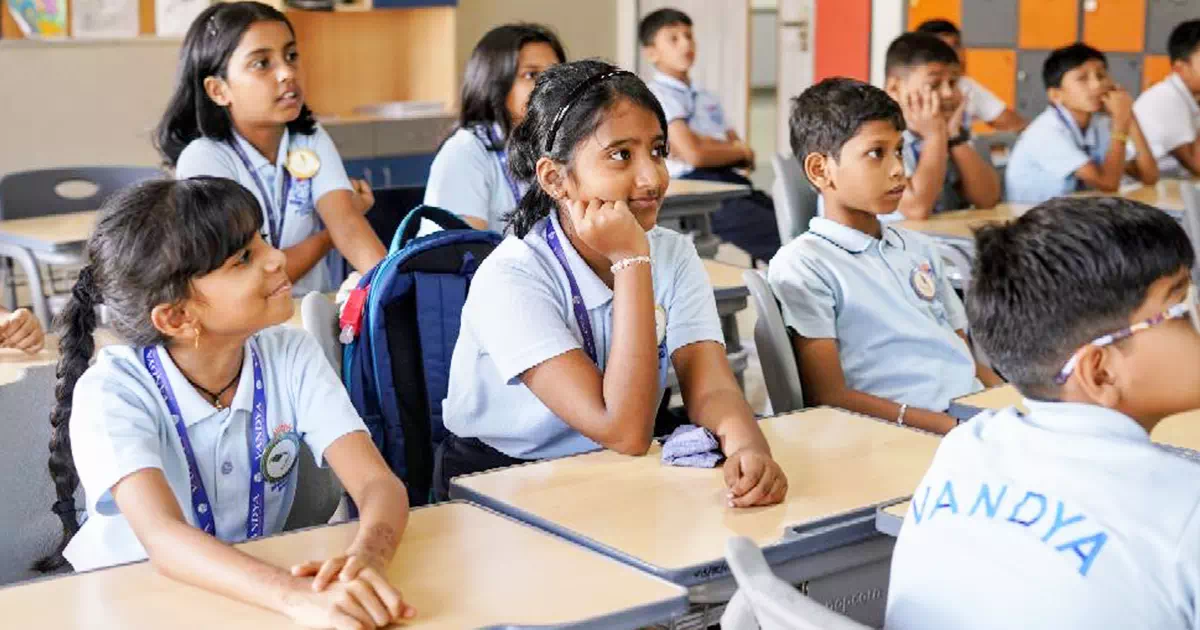
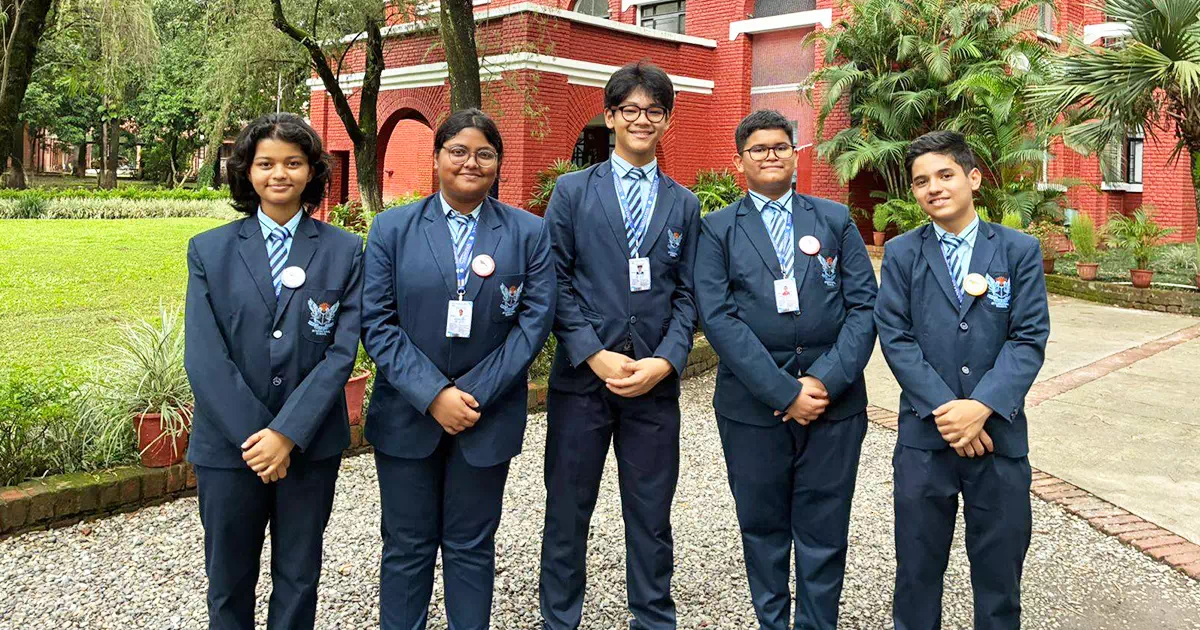
How people view schools in the modern days has undergone a massive transition. These days, parents do not measure schools merely on the basis of infrastructure and result-oriented performances. The attention has shifted towards how schools enable learning, how schools facilitate overall development at every level, and how well a school is equipped to handle a global world. And that’s exactly why we talk about the best international schools in India. These schools have taken flight, not because of the international tag, but because of systems, pedagogy, and outcomes that reflect evolving educational priorities.
Educational Design Exceeding Syllabus Outlines
One of the most noticeable ways in which international schools differ is in terms of learning design and delivery. Instead of viewing the curriculum as a tick list, international schools are more concerned with relevance and applicability.
Important scholarly distinctions are:
- Concept-based teaching that focuses on understanding as opposed to merely memorization
- Models that facilitate interdisciplinary learning in an integrated rather than compartmentalized way
- Continuous assessment frameworks that prioritize progress, not performance
For parents keen on finding the Best International Schools in India, this strategy provides a level of assurance that education is meaningful, measurable, and scalable to suit higher education in any global institution.
Boarding as an Educational Structure, Not Just Accommodation
In premium residential institutions, boarding is not positioned as a logistical convenience but as an integral part of the educational framework. Among the Best Boarding Schools in India, residential life is carefully structured to reinforce discipline, independence, and emotional resilience.
A good boarding system would concentrate on the following areas:
- Predictable routines that promote academic engagement and personal well-being
- Supervised independence that allows students to work on their own but under supervision.
- Residential mentorship that complements classroom instruction
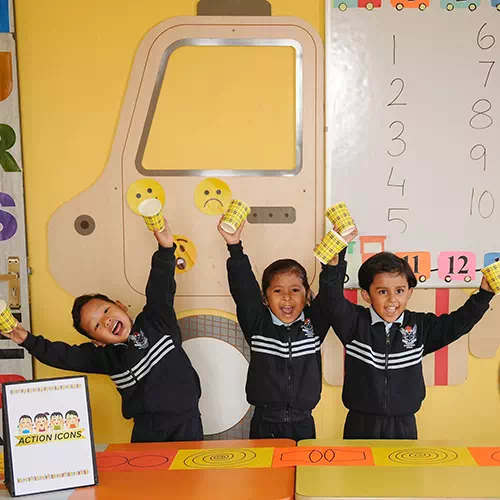
Such a model always appeals to the interests of parents who consider boarding education a training for adulthood and are ready to go an extra mile to secure a bright future for their little ones.
Integration with CBSE Rigor: International Pedagogy Strategy
A large number of parents also continue to appreciate the academic prowess and recognition that the CBSE provides. It is, however, the way these institutions have improved teaching through international approaches that makes them distinct.
Among advanced CBSE Boarding Schools in India, this integration often includes:
- Inquiry-led classroom practices within CBSE subject frameworks
- Strong Focus on Analytical Writing, Research, and Presentation Skills
- Exposure to global academic benchmarks while retaining CBSE assessment standards
This helps students stay competitive in the Indian scenario as well as equipped for international academic environments.
Student Development Beyond Academic Performance
Parents also realize today that mere success in academia is not a measure of readiness for college life. Some of the best international schools in the country will incorporate areas for personal development into their teaching processes.
These may include:
- Communication skills and leadership training
- Emotional Intelligence and Conflict Resolution
- Ethical decision-making, cultural sensitivity, and social responsibility
These skills are also ingrained in school routines instead of being considered add-ons or activities outside of school.
Exposure that Builds Global Perspective without Cultural Disconnect
Another hallmark here is international school engagement with global knowledge. Unlike international schools that merely take students away from local knowledge, the ideal ones strike a balance between global knowledge and local culture.
This is done through:
- Various peer communities and collaborative environments for learning
- International academic exchanges and global curriculum references
- The continued promotion of Indian values, discipline, and social responsibility.
Regarding parents, this issue deals with an essential matter, being world-ready without having to abandon their culture.
Institutional Consistency and Long-Term Vision
Ultimately, what helps differentiate reputable brand schools from the wish-list kind is consistency. The leading brands in the list of best international schools in India tend to show a consistent record in academic, teacher, and student performance.
This is achieved at Vandya International School through its approach to academics, boarding, and development. The Vandya International School focuses on clarity, discipline, and progressive learning. This exactly matches what parents want in an international educational setting in India.
Conclusion:
International schools in India do not belong to any categories or types. They are deduced on the basis of how the structure of learning is provided in the institutions and how the formative years of the children are developed. When it comes to parents selecting the best international schools in India, the key differences are to be found in the educational goals, boarding principles, integration, and the ability to ensure consistency.
FAQ's
The best international schools in India differ in how they structure learning rather than simply what they teach. They emphasise conceptual clarity, interdisciplinary thinking, student agency, and long-term skill development alongside academic outcomes. Teaching methodologies are designed to prepare students for higher education systems globally while maintaining academic discipline and structure.
Yes. Many leading institutions successfully integrate international teaching practices within the CBSE framework. This approach strengthens analytical thinking, communication skills, and subject understanding while retaining the academic rigour and national recognition of CBSE. Such models are increasingly preferred among CBSE boarding schools in India.
Boarding environments offer structured routines, supervised independence, and immersive learning experiences. Among the best boarding schools in India, residential life supports time management, emotional resilience, and social development, allowing students to grow in a balanced and disciplined setting.
International schools focus on holistic development through leadership opportunities, collaborative learning, emotional well-being support, and exposure to diverse perspectives. These elements are embedded into daily school life, helping students develop confidence, responsibility, and adaptability over time.
Parents should evaluate academic structure, boarding philosophy, faculty stability, student support systems, and consistency in outcomes. Schools that align curriculum delivery with student well-being and long-term readiness tend to provide more sustainable educational experiences.
Vandya International School demonstrates a structured academic framework, a balanced residential environment, and a student-centred approach to learning. Its emphasis on academic clarity, disciplined boarding life, and holistic development reflects the expectations parents associate with the best international schools in India.
Yes. International schools in India are designed to prepare students for both national and global higher education systems. Through strong academic foundations, skill-based learning, and exposure to global academic standards, students are equipped to adapt confidently to diverse university environments.
A: Top CBSE Schools in Assam focus on integrated learning, mentorship systems and co-curricular pathways alongside strong academic curricula, producing balanced learners.
A: Yes. Vandya International School provides a structured day boarding programme with supervised study time, balanced meals and activity rotations.
A: Many use portfolios, competency rubrics and formative assessment to track skills like communication, teamwork and problem-solving.
A: Check supervision standards, study-time structure, meal quality, safety measures and coordination with family pickup routines.
A: Yes. Schools that emphasise holistic development offer career guidance, project-based learning and soft skills training that strengthen college applications and readiness.
A: The school maintains counsellors, mentor groups, regular check-ins and restorative practices to support student mental health.
 Call
Call
 WhatsApp
 Student Login