
- June 10, 2026
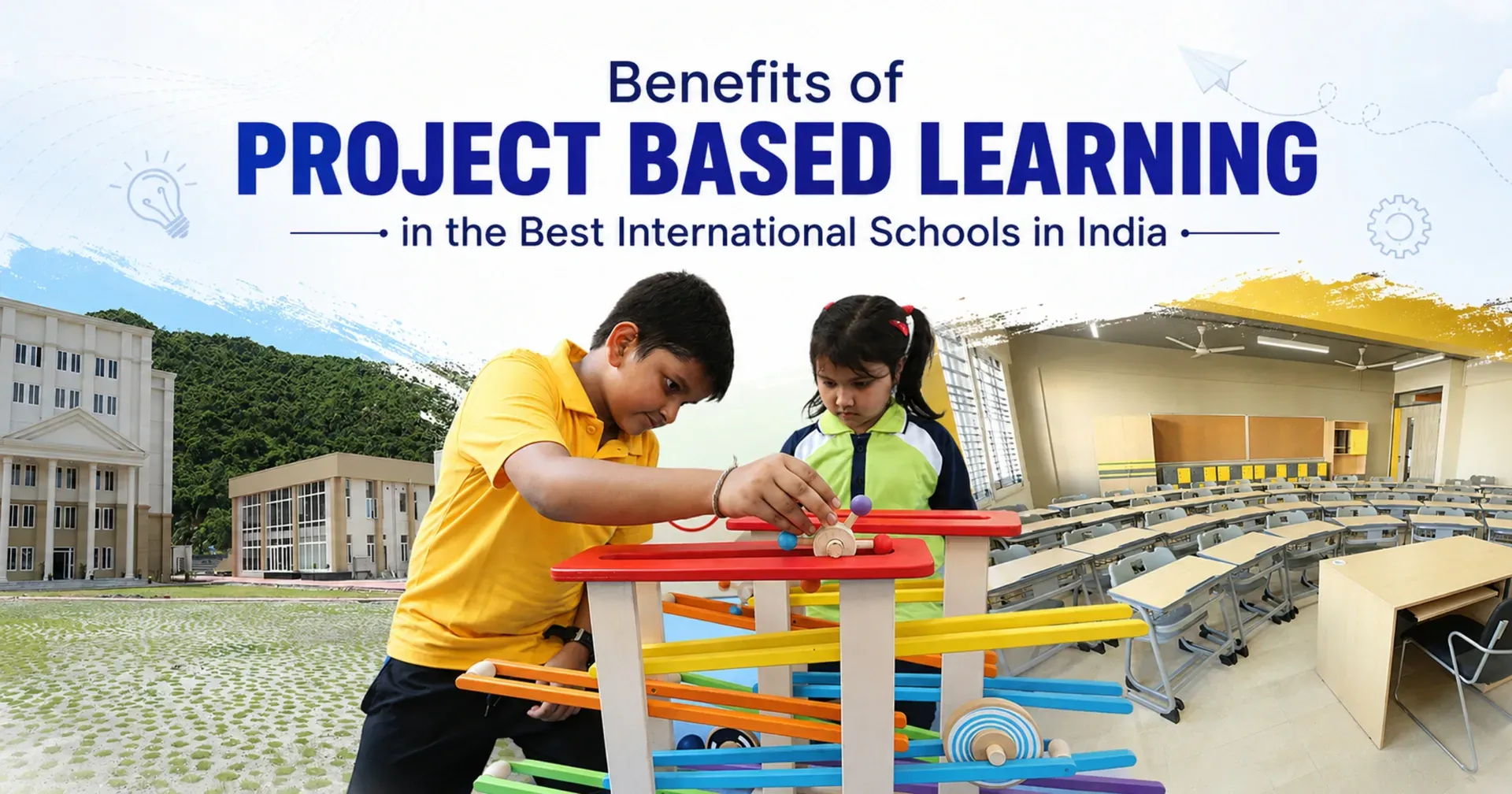
Benefits of Project Based Learning in the Best International Schools in India
Guide to Sections
- Introduction
- What Is Project Based Learning?
- Why Project Based Learning Is Important in Modern Education
- Key Benefits of Project Based Learning in the Best International Schools in India
- How the Best International Schools in India Implement Project Based Learning
- Preparing Students for Higher Education and Careers
- Why Parents Choose the Best International Schools in India
- Choosing the Right International School for Project Based Learning
- Conclusion
- FAQ's
Do you find yourself questioning whether your child actually retains the dense chapters they memorize for their terminal school exams? Most working professionals honestly admit they forgot their high school theorems within a few weeks of entering university. Traditional classrooms across the country historically treated young pupils like empty storage jars waiting for a static deposit of information. Today, thoughtful families demand a completely different educational setup for their children. They look for a space that turns abstract book concepts into living, breathing practical knowledge. This urgent shift in demand explains why parents closely track international schools in India that choose active experimentation over passive listening.
Smart families look hard for the Best International Schools in India because they want their teenagers to learn practical skills. These parents know a simple fact: modern offices see basic school certificates as simple entry tickets rather than proof that a person can do a job well. Because of this, old-style classrooms have to turn into busy work areas where students fix actual physical problems with their own hands.
This guide shows you exactly how top schools use these methods to change the old ways of teaching teenagers. By moving away from rows of standard desks where students just listen to a teacher talk, these schools create a space that helps children learn to think for themselves.
Also Read: Future-Proofing Students: The Best International School in India
What Is Project Based Learning?
Understanding the Project Based Learning Approach
This specialized system operates on a simple, grounded rule: students learn best by actually building things from scratch. Instead of reading a short, static chapter about water purification systems, children design an actual physical filter using rocks, sand, and organic charcoal. This model uses structured project based learning to force young minds to face real-world friction. They do not just absorb a morning lecture; they take full charge of their own study goals from the very first minute. The entire experience relies on deep inquiry, where pupils run the show while teachers act as quiet guides who step in only when necessary.
True projects require an extended timeline, starting with a complex question and ending with a public presentation. Students must gather raw data, verify their sources, and adjust their plans when their early models fail. This continuous loop of testing and refining removes the predictability that makes standard classrooms feel boring. It forces the learner to think like a researcher, an engineer, or a historian from an early age.
How It Differs from Traditional Teaching Methods
Standard schools rely on a lecture setup where an instructor stands at a chalkboard for forty minutes. Pupils copy notes, memorize the sentences, and rewrite them on an exam page during finals week. This process rewards quiet compliance and memory speed while killing the natural human urge to ask questions. In contrast, modern teaching methods flip the control of the classroom directly to the learner.
Children spend their school hours reading books, debating points, and trying out their ideas on actual objects. They remember facts naturally through action rather than through stressful cramming sessions. The teacher steps down from being the only talker in the room and starts helping students find answers on their own. So, this big change turns a quiet room full of copying into a busy workshop where kids trade fresh thoughts.
Why Project Based Learning Is Important in Modern Education
Building Future-Ready Skills
The workforce of tomorrow will totally ignore people whose skill set is restricted to following manual procedures and recalling memorized texts. Today’s management is searching for people who can repair faulty machines, design Innovative systems, and lead various teams spread around diverse time zones. Today, it requires an education system that can equip its students with good analytical abilities and speedy decision-making skills.
When teenagers work on long tasks together, they learn to voice their opinions without causing personal arguments. They learn how to pitch an idea clearly, handle group budgets, and split up difficult chores under tight deadlines. These social capabilities are impossible to teach through a standard textbook or a multiple-choice worksheet.
Connecting Classroom Learning with Real-Life Experiences
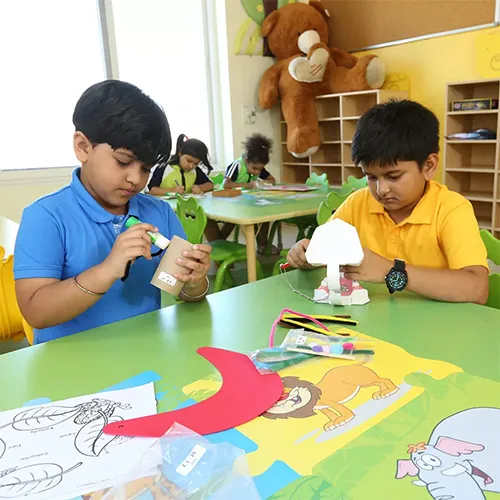
Standard textbooks usually split up school subjects into completely separate folders like biology, history, and math. Real life never works in these neat little boxes. For example, when a student group tries to clean up a dirty local pond, they need chemistry to test the water quality. They must use basic math to track the cost of their tools and write clear letters to win over city hall. This hands-on work proves to teenagers that their daily school tasks directly change the neighborhood outside their front gates.
This deep integration helps young people realize that their daily school tasks possess actual utility. They stop asking why they need to learn a specific concept because they see its direct impact on the world around them.
Key Benefits of Project Based Learning in the Best International Schools in India
Enhances Critical Thinking and Problem-Solving Skills
When a project goes wrong, students cannot just flip to the back of a textbook for an easy answer. They must look at the raw data, isolate the specific mistake, and try a completely new method. This skill ensures that the brain is conditioned to handle difficult situations without freaking out or running to an adult for support. Adolescents acquire the skill of considering failure as constructive criticism and not a conclusive judgment of one’s smartness. The youth can break down complicated issues by approaching them from different perspectives.
Encourages Active Student Engagement
It is unusual for children to feel sleepy or distracted when they are working on constructing a model of machinery or making a documentary about history. The level of involvement automatically increases since the students dictate what they want to do with their assignments each day. Their efforts belong to them, which means that they feel responsible and take pride in their finished work. This strong sense of belonging enables them to internalize the lessons learned for many years to come.
Improves Communication and Teamwork
Working in a small group teaches teenagers that human beings see the world through very different lenses. They must argue their points using hard logic and listen to alternative viewpoints without throwing tantrums or walking away. These daily interactions build a level of social patience that single desks can never provide. Pupils learn to cooperate because the final grade depends on the entire group’s collective output. They practice the art of compromise, discover how to leverage individual strengths, and learn to deliver constructive feedback to their peers.
Develops Leadership and Decision-Making Abilities
Every project that is important needs a coordinator who can monitor deadlines, allocate tasks, and maintain harmony among the team members. Once a student takes up this role, they understand the gravity of personal accountability. They must make tough choices about project timelines and resolve internal arguments among their peers. This direct ownership turns shy children into confident leaders who know how to direct a team toward a shared goal without friction.
Cultivates Creativity and Innovation
Conventional examination papers allow just one precise answer in a box. The above approach, on the other hand, encourages the learner to discover five unique methods of tackling the same problem. It stimulates innovative learning approaches through giving the child total liberty to experiment with unconventional ideas. The above method nurtures a culture of looking at old issues from new perspectives among the teenager right from his/her formative years.
Promotes Independent Learning
Teachers do not feed quick answers to the class during these specialized assignments. Students must learn how to verify digital sources, interview local experts, and extract facts from long technical reports. This independence builds strong self-directed study habits that prove incredibly useful during university years. They stop relying on parents or private tutors to explain every difficult sentence, becoming true owners of their intellectual growth.
How the Best International Schools in India Implement Project Based Learning
Interactive Classroom Environment
Elite campuses replace old rows of forward-facing desks with flexible round tables that encourage immediate conversation. Classrooms feature fast digital tools, wide display screens, and mobile furniture to help teams shift their focus instantly. Teachers use a student-centered learning approach to spark curiosity rather than dictating long lists of facts. The room feels less like a quiet library and more like a busy design studio where ideas clash and evolve continuously.
Cross-Disciplinary Projects
The best international schools in India build assignments that deliberately mix multiple school subjects together. A single team task might force students to calculate weight limits using math while tracking regional history to recreate an old building style. This clear focus on a holistic education proves to children how different fields of human thought fit together. It stops them from treating school subjects as separate, useless piles of facts that matter only on exam day.
International Classrooms and Foreign Partnerships
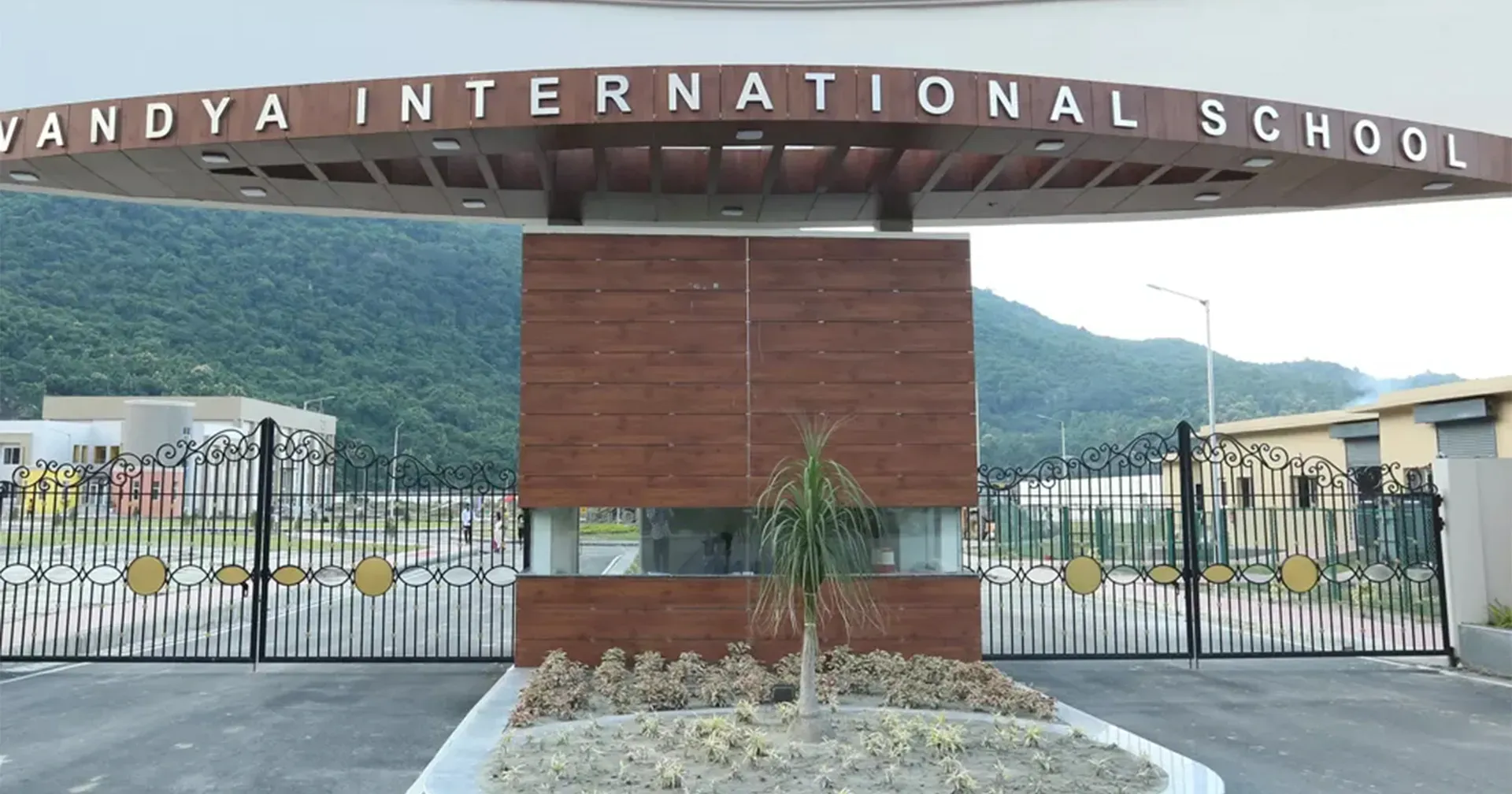
Some of the most renowned international schools in India, such as Vandya International, link their students to foreign classrooms. For example, students in India join hands with those from European or Asian countries to monitor changes in weather patterns around the globe or trace out trade routes internationally. Such constant interaction allows your kid to adapt to global education standards without having to leave the country. As a result, they learn how to look at the smaller things in life from an international perspective.
Project Based Learning and its Effect on Academic Performance
Improved Information Recall
A principle learned by doing is more readily retained by students than a principle learned through reading it in a book. For example, when a student uses the principle of physics to support the construction of a miniature bridge, the particular principle becomes forever lodged in their memory bank. This means that there will be no need to cram the entire night before taking an important test as they already know everything about the principle through hands-on practice. This emphasis on experiential learning in schools builds a solid cognitive foundation that resists simple forgetting, making traditional revision stress entirely obsolete.
Improved Academic Outcomes
Learners who acquire knowledge through practical activities score very high in analytical tests. Such students will never encounter problems when faced with questions that use complex phrasing since they know the reasoning behind such language. These learners benefit significantly in the oral presentation and NV board stages due to constant practice every week. They develop a certain level of confidence which comes out strongly during their final evaluations.
Preparing Students for Higher Education and Careers
Building Essential Career Skills
A college professor and an executive in today’s company search for the same characteristics in candidates, which include adaptability, resourcefulness, and self-discipline. Engaging in long-term projects teaches adolescents how to organize themselves even without the continuous supervision of adults. The students learn how to cope with changes such as broken tools and the departure of teammates from the team. Hence, these real-life activities serve as the cornerstone of success in the business world.

Developing a Global Mindset
Working on international issues helps students understand different cultures deeply. They learn to drop simple stereotypes and analyze global trends using verifiable data. This broad perspective gives them an immediate advantage when they apply to competitive foreign universities. They enter higher education as mature citizens who can blend into any diverse community, communicate across cultural barriers, and tackle international challenges with ease.
Why Parents Choose the Best International Schools in India
Focus on Holistic Development
Thoughtful parents realize that high test marks mean very little if a child lacks emotional maturity and social skills. International campuses pay equal attention to social growth, physical health, and intellectual depth. They create a protective yet challenging environment where teenagers can test their personal limits safely. This balanced lifestyle ensures that young adults grow up healthy, focused, and completely stable, ready to face adulthood with confidence.
Student-Centered Learning Approach
Every child brings a unique speed of learning and a distinct set of personal interests to the classroom. Our model respects these differences by letting pupils tailor their research topics to match their specific passions. This personal freedom keeps the spark of natural curiosity alive through the difficult teenage years. It transforms the school from a place of repetitive dread into a space of genuine personal opportunity, where learning feels like a privilege rather than an obligation.
Choosing the Right International School for Project Based Learning
Important Factors to Consider
When you tour a potential campus, look past the fresh paint and the glossy enrollment brochures. Check the school library to see if students are actually working on independent research tasks. Ask the principal how much time the timetable sets aside for the benefits of project based learning every week. Ensure the teachers hold specific certifications in experiential learning in schools rather than traditional lecture methods.
The best facility will always choose messy, active learning over quiet, mechanical compliance. Look closely at the student portfolios to see if the work reflects genuine student effort or polished adult intervention. A true practical school values the raw, imperfect discoveries of the child over flawless, copied templates.
Deepening the Classroom Shift: What the Future Demands
The world continues to move away from centralized text control. Information sits on every phone screen, making facts incredibly cheap. The actual value lies in how a mind filters, organizes, and deploys that data to fix real human problems. Schools that stick to the old lecture template are essentially training children for a world that no longer exists. They produce graduates who can follow instructions but fail completely when the manual disappears.
Choosing a school that thrives on its project-based learning approach will provide your child with a dynamic toolset. Your child learns how to assess a complex scenario, determine what the underlying issue is, and bring together a team that can solve the problem. This process can’t be automated, nor can it be handed out to the cheapest labor pool around.
Conclusion
What all educational institutions need to do is to innovate and modernize their approach to education because the current methods, while possibly helping children gain knowledge, cannot anymore serve to protect them in the rapidly changing world. The only way for the youth to flourish in the future is to learn how to use the knowledge gained, work in a team of people from different backgrounds, and resolve existing issues. And what can make that happen truly? Project based learning!
The top international schools, like Vandya International School in Guwahati, use this system to build independent, resilient, and globally competitive minds. With the selection of such a school that values practical execution, you give your child a head start that lasts a lifetime. The investment you make today shapes how they view challenges for the rest of their lives.
FAQ's
This method uses practical, long-term tasks to teach standard school subjects. It helps students understand difficult concepts by forcing them to apply book rules to real-world dilemmas. This hands-on work builds critical thinking, improves social collaboration, and ensures long-term memory retention.
Top schools realize that modern workspaces demand practical capability over simple memorization. They use these methods to prepare teenagers for the complex challenges of global universities. This focus sets their graduates apart from children who only practice traditional rote learning.
Students face unexpected failures when they build real models or analyze raw field data. They must find their own mistakes, test alternative setups, and defend their conclusions using logic. This active process trains the brain to handle complex situations independently without asking for constant adult direction.
Yes. The system teaches essential professional habits like group collaboration, time management, budgeting, and public presentation. These are the exact skills that modern companies look for when hiring new leaders for complex projects.
Parents should check if the campus features flexible classrooms and active laboratories. They must ask how teachers design cross-disciplinary assignments. A good school will always show you live student portfolios and working models rather than simple test score sheets.
The model balances hard academic study with social teamwork and emotional patience. Students learn to handle stress, resolve peer arguments, and express their personal ideas clearly. This regular practice builds a well-rounded character ready for real-life challenges.
A: Top CBSE Schools in Assam focus on integrated learning, mentorship systems and co-curricular pathways alongside strong academic curricula, producing balanced learners.
A: Yes. Vandya International School provides a structured day boarding programme with supervised study time, balanced meals and activity rotations.
A: Many use portfolios, competency rubrics and formative assessment to track skills like communication, teamwork and problem-solving.
A: Check supervision standards, study-time structure, meal quality, safety measures and coordination with family pickup routines.
A: Yes. Schools that emphasise holistic development offer career guidance, project-based learning and soft skills training that strengthen college applications and readiness.
A: The school maintains counsellors, mentor groups, regular check-ins and restorative practices to support student mental health.
 Call
Call
 WhatsApp
 Student Login