
- August 20, 2026
Best International Schools in India: A Complete Education Guide
Guide to Sections
- Introduction
- What Does an International School Actually Mean in India?
- Which Curricula Do International Schools Offer?
- IB vs. Cambridge vs. CBSE: A Practical Comparison
- What Should Parents Look for in an International School?
- Day-Boarding vs. Residential Schools
- Common Mistakes Parents Make
- How to Evaluate an International School
- Why Consider a CBSE-Based International School?
- Conclusion
- FAQ's
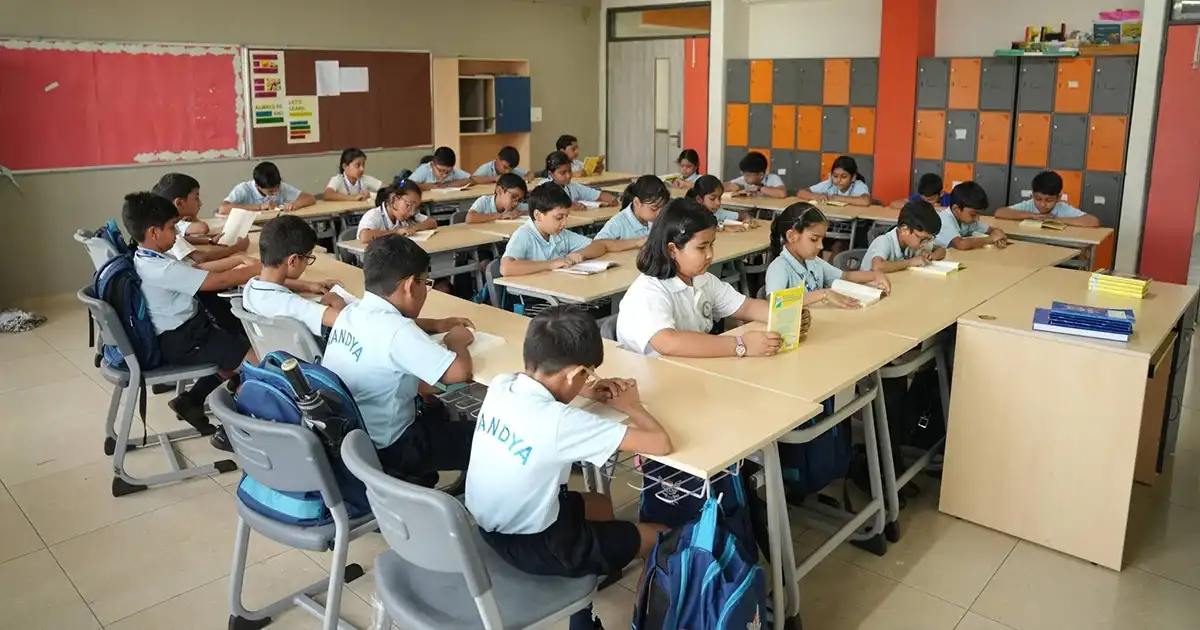
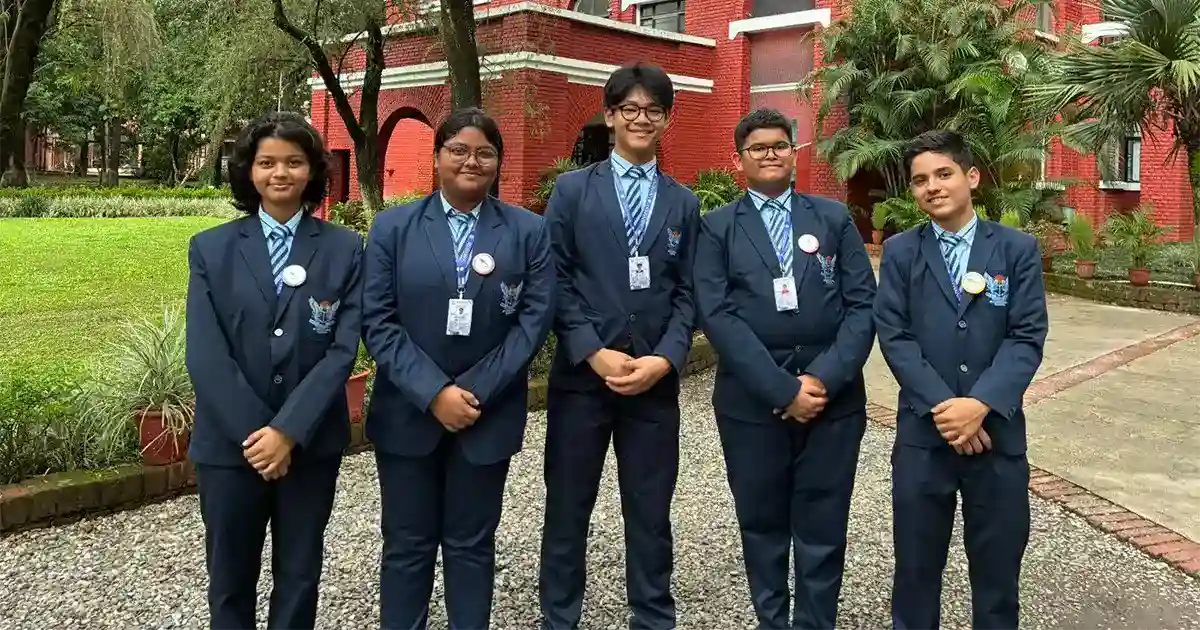
Choosing one of the best international schools in India becomes harder when every campus promises the same things: global exposure, strong academics, modern facilities, and confident students. The real differences often appear in places that are harder to spot on a website. How much freedom does a student have to question a teacher? What does a normal school day look like? Will the school support an overseas university plan, or is its approach better suited to India’s academic system?
These questions matter because “international school” can mean very different things in India. One school may follow IB, another Cambridge, while a CBSE-based school may offer international teaching methods and a wider range of activities. The right choice depends on what your child needs now and where you expect that education to lead.
The following guide will compare the main curriculum choices, day boarding and residential approaches, as well as some facts that you must know.
What Does an International School Actually Mean in India?
The word “international” does not tell you which curriculum a school follows or how it teaches. In India, the term is used by schools offering IB and Cambridge Programmes as well as by CBSE schools that incorporate international teaching practices and broader extracurricular opportunities.
A school’s label tells you very little on its own. Look at classroom practices, daily student schedules, and teaching quality. Many parents now prefer environments where students question ideas, discuss concepts, and apply what they learn to practical situations.

Which Curricula Do International Schools Offer?
For most families researching international-style schools in India, three curriculum routes come up repeatedly.
1. International Baccalaureate (IB)
The IB program offers a different method for classroom learning, which differs from a curriculum-based classroom where the main focus is on delivering the set materials. The structure of the IB program involves Primary Years Program (PYP), Middle Years Program (MYP) and Diploma Program (DP). An individual, who asks “why” about every subject and likes to learn about a subject matter beyond the set materials, is an independent learner and will benefit greatly from the IB program if plans include studying abroad.
2. Cambridge Assessment International Education (CAIE)
Known for IGCSE and A-Level qualifications, Cambridge offers subject-specific depth and flexibility. The structure can work well for students who already have clear subject interests and want greater depth in selected areas.
3. CBSE with an International Approach
Some schools continue with CBSE while changing how the curriculum is taught. Students may encounter more project work, wider extracurricular choices, modern facilities, and lessons that connect classroom concepts with practical situations. This option provides a familiar syllabus structure for Indian competitive examinations alongside an expanded learning environment.
IB vs. Cambridge vs. CBSE: A Practical Comparison
| What to Compare | IB | Cambridge | CBSE-based International Approach |
|---|---|---|---|
| Classroom Activity | Daily tasks revolve around long-form essay writing, student debates, and interdisciplinary research projects. | The emphasis remains on developing expertise in specific subjects through textbook analysis, past-paper drills, and individual study. | Teachers cover standard board syllabi while adding practical experiments, group projects, and oral presentations. |
| Testing & Marks | The grades are awarded on the basis of balance between multi-month research project work and final yearly exams. | Assessment rests almost entirely on final written exam papers set for individual subjects. | Internal unit tests happen throughout the year, culminating in class 10 and 12 national board exams. |
| Key Advantage | Builds high-level writing and self-directed study habits expected by overseas universities. | Gives students complete freedom to drop weak subjects early and double down on core strengths. | Keeps course material strictly aligned with competitive Indian entrance exams like JEE and NEET. |
| Ideal Student | Children who like questioning concepts, writing extended papers, and managing project deadlines. | Students with sharp subject preferences who want depth in specific areas like sciences or humanities. | Students planning for higher education in India who still want modern facilities and strong stress on English language skills. |
What Should Parents Look for in an International School?
The curriculum sets the academic direction, but the ordinary school day tells you what that choice actually feels like for a child.
- Teaching Methods: Classroom culture should encourage active participation, questions, and project collaboration instead of passive listening.
- Faculty Training: Teacher quality deserves as much attention as the curriculum. Inquire about ongoing professional development and how educators guide independent student research.
- Infrastructure Purpose: Science labs, art studios, and sports fields matter most when students get regular opportunities to use them.
- Pastoral Care: Student-to-teacher ratios, resident support structures, and counseling availability reflect how well a campus handles student well-being.
Day-Boarding vs. Residential Schools
Making a choice is easy when you visualize what a normal day is like for your kid. Is he going to come back home after spending an entire day at school, or will the school itself be his home as well?
Day-Boarding Model
Day-boarding gives families an extended 8-to-10-hour school day without keeping students overnight. Kids follow a routine that mixes regular lessons, sports, and faculty-led study hours.
Everything finishes before pickup. Teachers clear doubts during afternoon prep, so assignments end at school instead of spilling onto the dining table. That simple change cuts out late-night homework arguments, eliminates private tuition costs, and gives families their evenings back.
Full Residential Model
Students live on campus and follow a planned routine covering classes, study hours, sports, meals, and supervised activities. Families comparing the best international Residential Schools in India should also examine what happens after classes end. Ask about study periods, meals, recreation, medical care, supervision, and communication with parents.
The academic programme is only one part of boarding life. When comparing the best international boarding schools in India, pay attention to house systems, weekend routines, pastoral care, medical support, and student supervision.
Common Mistakes Parents Make
- Chasing Brand Names Alone: A school’s national reputation may not reflect the daily environment of a specific local campus.
- Ignoring the Daily Commute: Long travel times exhaust younger students and diminish the benefits of a good school day.
- Focusing Only on Buildings: Impressive sports complexes look good on tours, but you should verify how many hours students actually spend using them.
- Assuming One Age Fits All: There is no single ideal age to switch schools. Some children adapt easily in primary school, while others benefit from changing schools during middle years when they can take greater responsibility for their learning.
How to Evaluate an International School
- Check Curriculum Objectives: Determine if the curriculum is suitable for your child’s future university prospects.
- Check Safety and Facilities: Request a tour of the health facilities, safety measures, and sporting grounds rather than depending on the booklet provided.
- Observe Classrooms: When you can, attend a class and observe how the teachers react when the students pose questions not in line with the syllabus.
- Check Support Services: Inquire about the ratio of mentors, academic assistance, counseling, and boarding care.
- Check University Prospects: Ask where the latest graduates have been accepted into universities.
Why Consider a CBSE-Based International School?
Many Indian parents are faced with this unique dilemma, they prefer the CBSE curriculum, which aligns with the syllabus designed for national level entrance tests such as JEE, NEET, and CUET, yet do not wish to send their children to conventional school with the passive learning methodology.
In such situations, best international CBSE schools in India provide both elements of national curriculum as well as a modern approach to education including inquiry-based teaching methodologies, athletic periods and campus infrastructure.

Students do not need to rush off-campus to attend night tuitions because guided study hours, laboratory practicals and co-curricular activities are all done during the extended boarding period of the day.
One of the institutions that follow such a model is Vandya International School. The institution combines CBSE education with a day boarding system allowing its students to get prepared for difficult board examinations in the daytime and engage in physical activity and visual arts in the evening when they can go back home without spending extra time on completing their homework.
Conclusion
A higher fee does not automatically mean a better fit. Your child’s learning style, the curriculum, daily routine, distance from home, and plans for higher education all deserve attention.
When evaluating the best international schools in India, focus on how a campus balances academic expectations with student well-being. Visit campuses, talk to the faculty, ask direct questions about daily routines, and choose an environment where your child can grow with confidence.
FAQ's
Yes. IB and Cambridge qualifications are accepted by Indian universities, although students should check the specific admission and equivalence requirements of the institution and programme they plan to pursue.
Day-boarding schools schedule dedicated study sessions during the afternoon. Teachers remain available during these hours to clear doubts, helping students finish assignments before heading home.
IB focuses heavily on interdisciplinary projects, continuous internal assessments, and broad research. CBSE offers a structured, subject-focused syllabus aligned with Indian national entrance examinations.
When visiting a residential school, ask about access control, medical support, student sign-out procedures, overnight supervision, and how emergencies are handled.
Encourage independent reading, research habits, and open discussion at home. If your child is moving from a different curriculum, ask the school whether it offers bridge classes, orientation sessions, or additional academic support during the transition.
A: Top CBSE Schools in Assam focus on integrated learning, mentorship systems and co-curricular pathways alongside strong academic curricula, producing balanced learners.
A: Yes. Vandya International School provides a structured day boarding programme with supervised study time, balanced meals and activity rotations.
A: Many use portfolios, competency rubrics and formative assessment to track skills like communication, teamwork and problem-solving.
A: Check supervision standards, study-time structure, meal quality, safety measures and coordination with family pickup routines.
A: Yes. Schools that emphasise holistic development offer career guidance, project-based learning and soft skills training that strengthen college applications and readiness.
A: The school maintains counsellors, mentor groups, regular check-ins and restorative practices to support student mental health.
 Call
Call
 WhatsApp
 Student Login